
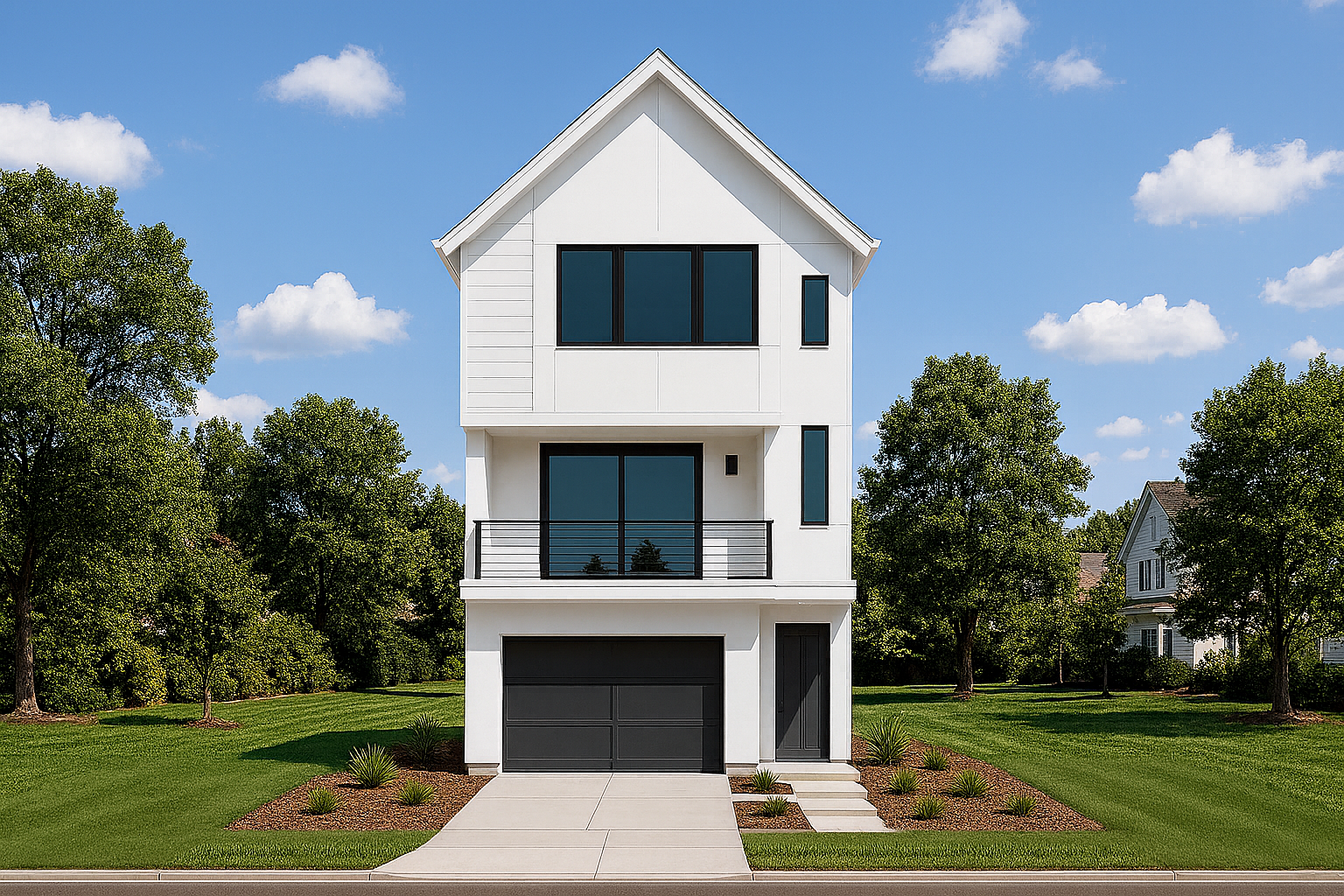
How Long Will a Modular Home Last in California?
For many California homeowners, the decision to invest in a modular home comes with one big question: how long will a modular home last? Choosing the right type of housing is not only about cost and design, but also about longevity and value over time. Modular homes are often misunderstood, with some people assuming they are temporary or less durable than traditional construction. In reality, when built with high quality materials and proper installation, modular homes can match or even surpass the lifespan of conventional houses.
What Are Modular Homes?
A modular home is a residence built in sections inside a controlled factory environment and then transported to the home site for assembly. Unlike mobile homes, which are built on a chassis for transport, modular homes are set on a permanent foundation just like a traditional house (more information here). This distinction is important because it directly impacts durability and lifespan.
The modular construction process ensures that every component is built under strict quality standards. Materials are protected from weather during assembly, reducing the risks of warping, mold, or inconsistent finishes. Once delivered, the modules are joined together with advanced fastening systems that make the home structurally sound and ready to meet or exceed local building codes.
In California, modular homes are especially attractive because the controlled building process can be tailored to meet seismic, fire, and energy-efficiency requirements. This combination of precision engineering and local code compliance makes them a reliable choice for homeowners who want a long-lasting investment.
How Long Will a Modular Home Last?
One of the biggest misconceptions about modular housing is that it does not last as long as a traditional home. In reality, modular homes are designed and built to meet the same building codes as site-built houses, which means they carry the same expectations for long-term use. On average, a well-constructed modular home will last 50 years or more, and many remain in excellent condition for well over a century when properly maintained.
This lifespan is comparable to, and in some cases greater than, that of conventional homes. The reason lies in the construction process. Modular homes are engineered in factories under strict quality control, where every joint, wall, and system is measured with precision tools. This level of consistency is difficult to achieve with homes built outdoors, where materials are exposed to weather and variable conditions.
It is also worth noting that modular homes should not be confused with mobile homes or manufactured housing. While those structures may depreciate more quickly, modular homes are permanent residences that can appreciate in value much like any other house. For homeowners in California, this durability translates into peace of mind that their investment will stand the test of time.
Key Factors That Affect Longevity
Answering the question “how long do modular homes last?” depends on more than just the construction method. Several key factors influence how long the home will remain structurally sound and comfortable for its occupants.
Materials Used
The type of materials selected during the building process makes a significant difference. Homes built with steel framing, fire-rated panels, and high-quality insulation tend to outlast those made with lower grade wood or less durable finishes. Choosing sustainable and weather-resistant materials can add decades to a home’s lifespan.
Construction Quality
Factory-built homes benefit from advanced engineering and precision assembly. Because the building takes place in a controlled environment, materials are not exposed to rain, wind, or extreme heat during construction. This eliminates many of the weaknesses that occur in site-built homes and ensures consistent quality.
Climate and Environment
California presents unique environmental challenges. Areas prone to wildfires, earthquakes, or coastal salt air require specific design considerations. A modular home built with fire-resistant cladding or earthquake-safe connections will perform better in these conditions than one that is not designed with local risks in mind.
Foundation and Site Preparation
Even the strongest modular home requires a proper foundation. A professionally engineered site and a stable foundation protect the structure from shifting, water intrusion, or soil movement over time. Poor site preparation can shorten the lifespan of any home, regardless of how well it is built.
Maintenance and Upkeep
Like any home, ongoing maintenance plays a vital role in longevity. Regular inspections, roof care, exterior painting or sealing, and prompt repair of small issues prevent larger problems. With consistent upkeep, modular homes can retain their value and durability for generations.
How Modular Homes Perform in California
California’s diverse environment puts any home to the test. Modular homes, when designed with local conditions in mind, are built to withstand these challenges and often outperform traditional construction.
Wildfire Resistance
Wildfires are an ongoing concern across the state. Modular homes that use steel framing, fire-rated siding, and non-combustible roofing materials provide far greater protection than wood-framed structures. These choices can significantly reduce the risk of damage in high fire zones.
Earthquake Safety
California’s seismic activity requires housing that can absorb and resist movement. Modular homes are engineered to meet or exceed the state’s strict seismic building codes. Their factory-built modules are reinforced and securely fastened together, often giving them an advantage in earthquake resilience compared to homes assembled entirely on-site.
Coastal Conditions
In coastal areas, salt air can corrode lower-grade building materials. Modular homes constructed with corrosion-resistant finishes and high-quality sealing methods maintain their integrity even in these environments. This ensures long-term durability in regions where traditional homes may face faster deterioration.
Energy Efficiency and Sustainability
Durability is not the only measure of performance. California homeowners also value energy savings and sustainable building practices. Modular homes often come with advanced insulation, energy-efficient windows, and sustainable materials that reduce long-term utility costs while protecting the home’s structural integrity.
By addressing California’s specific risks, modular homes give homeowners confidence that their investment will last for decades in some of the most challenging conditions in the country.
Comparing Modular vs. Traditional Homes in Durability
When considering long-term durability, modular homes hold their own against traditional site-built houses. In many cases, they even offer distinct advantages.
Traditional homes are often built outdoors, where exposure to rain, wind, and fluctuating temperatures can affect wood framing, drywall, and other materials during construction. This exposure can lead to warping, swelling, or mold before the home is even finished. In contrast, modular homes are assembled in climate-controlled facilities where materials are kept dry and stable, ensuring consistent quality from the start.
The assembly process itself also strengthens modular construction. Each module is designed to withstand transportation and installation, which means the structure is reinforced in ways that a conventional home typically is not. Once the modules are joined together on the foundation, the finished home can be more resistant to stress and shifting.
Over the lifespan of a home, this attention to precision and durability can make a modular residence just as long-lasting, if not longer, than a traditional house. For California homeowners who need protection from earthquakes, fire, and weather extremes, modular construction provides peace of mind along with long-term value.
Take the Next Step with a Modular Home
For California homeowners, the question of how long a modular home lasts is an important one. The answer is reassuring: with proper materials, careful construction, and routine maintenance, a modular home can provide comfort and security for 50 years or more, often matching or even outlasting a traditional house. Built in controlled environments and engineered to withstand the unique challenges of California’s climate, these homes are a strong and reliable investment for the future.
If you are considering adding an accessory dwelling unit or building a modular home in California, working with the right builder is key. Roof and Realm specializes in durable, fire-resistant, and energy-efficient modular homes designed to meet the state’s strict standards while delivering long-term value.
Explore our models today or schedule a consultation to see how a modular home can bring lasting benefits to your property.