
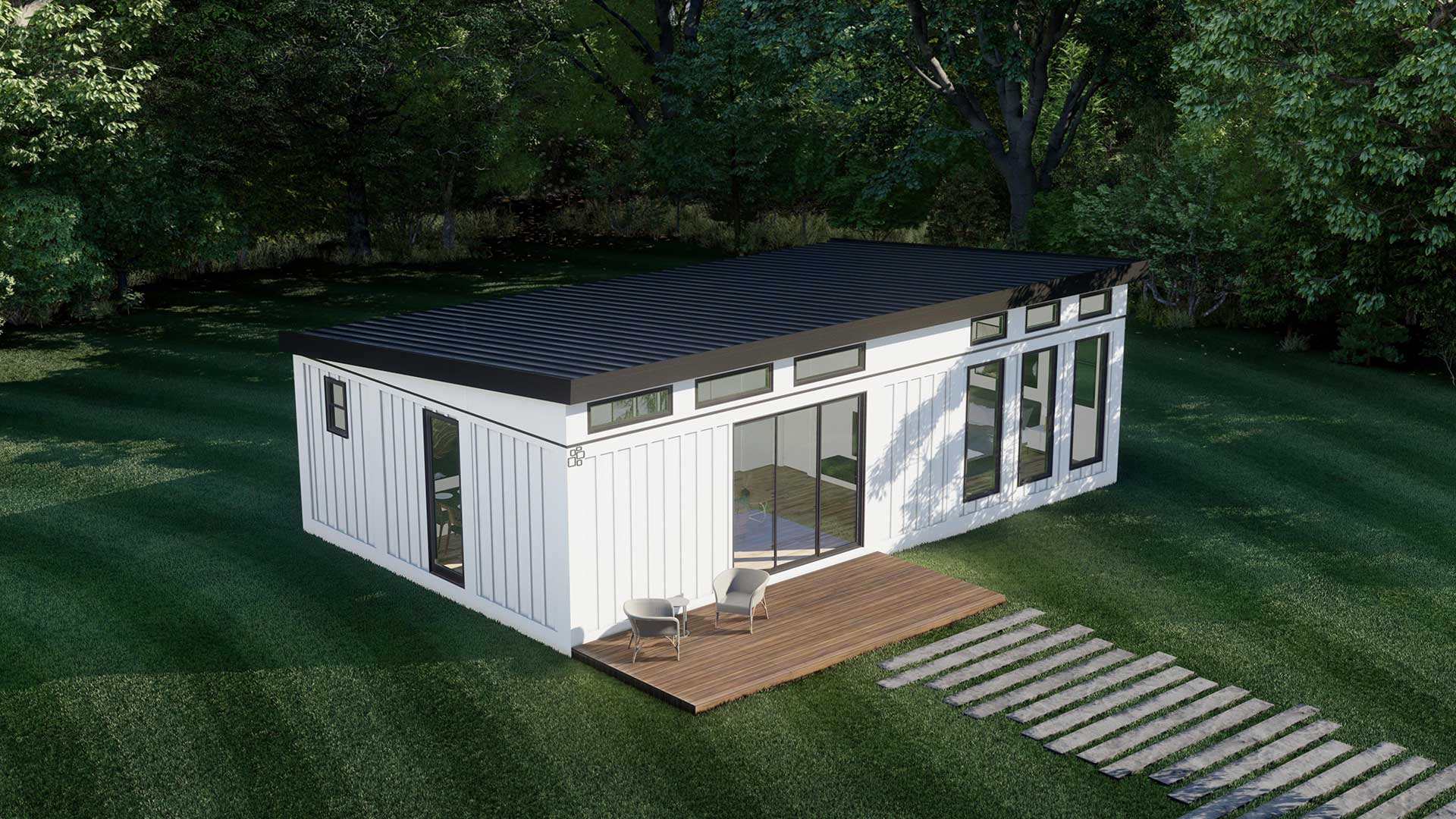
How To Build An ADU Without Costly Mistakes
If you’ve been thinking about adding space, income, or flexibility to your property, learning how to build an ADU can open a lot of doors. From backyard cottages to garage conversions, these small homes carry big value. Still, the process can feel overwhelming at first glance. With the right plan and a steady approach, it becomes much more manageable.
How To Build An ADU Step By Step
Understanding how to build an ADU starts with knowing the order of operations. Skipping ahead or rushing decisions tends to cost more later, so it helps to map things out early.
-
Check local zoning rules and permits, since every city has its own guidelines for ADUs
-
Set a realistic budget that includes design, permits, construction, and utility connections
-
Decide on the type of ADU, such as detached, attached, or a garage conversion
-
Work with a design and build team to create plans that meet code requirements
-
Submit plans for approval and secure permits
-
Begin construction, including foundation, framing, roofing, and interior work
-
Schedule inspections and finalize utilities before move-in
Each step builds on the last, and missing one can stall the entire timeline. A lot of homeowners underestimate how long approvals take, so patience pays off here.
Planning Your Space With Purpose
When people first look into how to build an ADU, they often focus on square footage. That matters, but layout matters more. A well-designed 600 square foot ADU can feel more livable than a poorly planned 800 square foot one.
Think about how the space will be used day to day. A rental unit might need more privacy between rooms, while a guest house can lean into open space. Storage is another detail that gets overlooked until it’s too late. Built-ins, vertical shelving, and multi-use furniture can make a smaller footprint feel complete instead of cramped.
Natural light changes everything. Large windows, glass doors, or even a skylight can make the unit feel twice as big. These are small decisions during planning that make a huge difference once the space is finished.
Budgeting Without Surprises
One of the most common frustrations tied to how to build an ADU is budget creep. Costs tend to rise when the scope isn’t fully defined from the start.
Construction materials, labor, permits, and utility hookups all add up quickly. On top of that, there are smaller line items like landscaping, driveway access, or separate meters that sneak into the total. It helps to build a buffer into your budget so you’re not caught off guard halfway through.
Financing is another piece of the puzzle. Some homeowners tap into home equity, while others explore specialized programs. If you’re looking into options, take a look at financing solutions for ADU projects that can help make the numbers work without stretching too thin.
How to Build an ADU That Fits Your Property
No two properties are the same, and that plays a big role in how to build an ADU that feels like it belongs. The size and shape of your lot, existing structures, and access points all influence the final design.
A detached ADU offers privacy and works well for rentals, but it requires more space. An attached ADU can blend into the main home and may be easier for utility connections. Garage conversions are often the fastest route, though they come with layout limitations.
It’s not just about fitting the structure onto your property. It’s about making it feel cohesive. Matching rooflines, exterior finishes, and landscaping can tie everything together so the ADU doesn’t feel like an afterthought.
If you want to see how different approaches come together in real builds, browsing completed ADU and home projectscan spark ideas you might not have considered.
How to Build an ADU: Permits And Local Requirements
Permits are where many ADU projects slow down. Learning how to build an ADU means getting familiar with your city’s requirements early, not halfway through.
Zoning laws dictate where ADUs can be placed, how large they can be, and how far they must sit from property lines. There may also be rules about parking, height limits, and occupancy.
Inspections happen throughout the build, not just at the end. Foundation, framing, electrical, and plumbing all need approval before moving forward. Skipping or failing an inspection can lead to delays that stretch weeks or even months.
Working with a team that already understands local codes can save time and frustration. It also reduces the risk of having to redo work that doesn’t meet requirements.
Construction Timeline And What To Expect
Once permits are approved, the real transformation begins. This is the part most people picture when they think about how to build an ADU, but it’s only one piece of the process.
Construction timelines vary depending on complexity, weather, and crew availability. A straightforward build might take several months, while a more detailed project can take longer.
The sequence usually starts with site preparation and foundation work. Framing follows, giving the structure its shape. Roofing, siding, and windows come next, sealing the exterior. Interior work like electrical, plumbing, insulation, and finishes rounds things out.
Communication during this phase matters more than people expect. Regular updates help keep expectations aligned and reduce stress when small issues pop up along the way.
If you’re curious about how a structured build comes together from start to finish, the step by step building process offers a closer look at how each phase connects.
Making Your ADU Feel Like Home
The final touches are where your ADU shifts from a construction project to a living space. This part often gets rushed, but it’s where personality shows up.
Flooring, paint colors, fixtures, and lighting all shape the atmosphere. A warm, inviting space tends to attract better tenants or make guests feel more comfortable. Small details like hardware finishes or backsplash choices can elevate the entire look without blowing the budget.
Outdoor space matters too. A simple patio, pathway, or garden area can extend the living space beyond the walls. Even a small yard can feel like a retreat with a bit of attention.
For more ideas and inspiration, you can explore helpful tips and insights on the Roof and Realm blog, where real-world projects and advice come together.
How to Build an ADU: Common Mistakes To Avoid
People learning how to build an ADU often run into the same pitfalls. Knowing these ahead of time can save both time and money.
Underestimating costs is one of the biggest issues. It’s easy to focus on construction while overlooking permits, design fees, and utility upgrades. Another common mistake is ignoring local regulations until plans are already drawn up, which can lead to costly revisions.
Poor layout decisions also show up later. A tight kitchen, lack of storage, or awkward bathroom placement can make the space feel less functional. Fixing these after construction starts is rarely simple.
Lastly, rushing the planning phase tends to create more work down the line. Taking extra time upfront usually leads to smoother progress once construction begins.
FAQs on How to Build an ADU
Most ADU projects take several months from design to completion. Permits and planning can take just as long as construction, depending on your location.
Costs vary based on size, design, and location, but many projects fall within a wide range. Factors like materials, labor, and utility connections all influence the final price.
Yes, permits are required in most areas. These ensure the structure meets safety and zoning regulations before and during construction.
In many areas, ADUs can be used as rental units. Local laws will determine rules around short-term or long-term rentals.
The best type depends on your property and goals. Detached units offer privacy, while attached or converted spaces can be more cost-effective.
The first step in how to build an ADU is researching local regulations and speaking with a qualified builder who can guide design and planning.
Build Something That Works For You
Ready to turn your ideas into a finished space? Reach out through the Roof and Realm contact page or call (866) 404-1148 and let’s get your ADU project moving.