
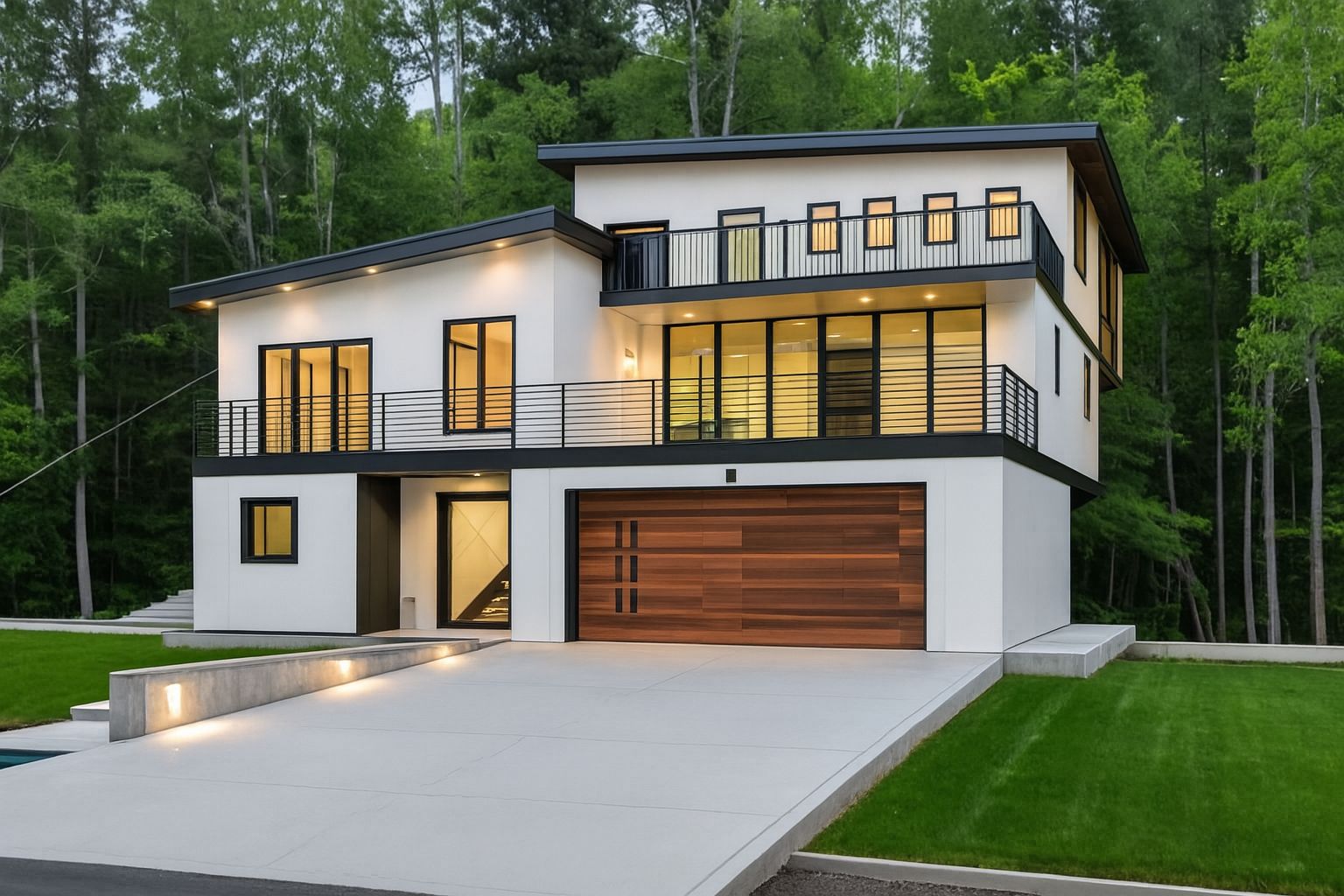
How Long Does It Take To Build A Modular Home In California?
Anyone planning a new home in California eventually asks the same question: How long does it take to build a modular home in California? Timelines shape everything from financing to moving plans. The good news is that modular construction follows a structured path, and once you understand the steps, the schedule starts to make sense.
A modular build doesn’t unfold like traditional construction. Some phases happen at the same time, and that parallel work shortens the overall timeline. Let’s walk through what really happens from the first sketch to the day the keys land in your hand.
How Long Does It Take To Build A Modular Home In California
The timeline for a modular home often lands between six and twelve months from the early planning stage to move in day. That estimate includes design, engineering, permits, factory construction, and final installation. It can feel fast compared to traditional builds, which sometimes stretch well past a year.
When people ask how long does it take to build a modular home in California, the answer depends on a handful of factors. Property conditions, local permitting offices, customization levels, and site preparation all play a role. Still, the modular process helps remove a lot of the delays that usually slow down construction.
The biggest advantage comes from building the structure in a factory while site work happens at the same time. Instead of waiting months for framing to begin, multiple steps move forward together. That overlap is one of the main reasons homeowners look toward modular construction.
If you want a deeper explanation of how our builds unfold from start to finish, you can explore the overview of our process.
The Design Phase
Every home starts as a conversation. You might arrive with a notebook full of ideas, or maybe you have a rough floor plan pulled from late night internet searches. Either way, the design phase usually takes a few weeks to a couple of months.
During this stage, we map out the layout, exterior look, structural plans, and engineering requirements. California building codes are strict, and every design must meet structural and seismic standards before moving forward.
Clients often spend time refining room layouts, window placements, and rooflines. One couple we worked with spent half an afternoon adjusting their kitchen island placement because they pictured their kids doing homework there every afternoon. That small detail mattered to them, and it became part of the final plan.
This early planning stage sometimes gets overlooked. A thoughtful design process helps everything run smoother later on.
Permits and Engineering
Permits can feel like the quiet gatekeeper of construction. Nothing moves forward without them.
In California, permit timelines vary by county and city. Some approvals arrive within a few weeks, while others take a few months depending on workload at the planning department. Structural engineering plans, soil reports, and zoning checks are reviewed during this phase.
The good news is that modular homes still follow the same regulatory framework as traditional homes. Once approved, the project can move forward without constant plan revisions. That stability helps keep the schedule steady.
People researching how long does it take to build a modular home in California often assume construction is the longest step. In reality, permitting sometimes takes the biggest slice of time.
Factory Construction Timeline
Here is where modular homes start to shine.
Once the design and permits are finalized, the modules are built inside a controlled factory environment. Instead of open air framing exposed to weather, construction happens indoors with precise measurements and consistent oversight.
Factory construction usually takes about eight to twelve weeks. During that time, framing, insulation, electrical systems, plumbing lines, drywall, cabinetry, and interior finishes are installed within the modules.
Think of it like building a house in sections that will later connect together on site. When the modules leave the facility, large portions of the home are already complete.
This stage answers a big part of the question how long does it take to build a modular home in California. By building indoors, the project avoids rain delays, material damage, and unexpected scheduling gaps.
If you are curious what finished modular homes look like in real settings, you can browse our completed projects.
Site Preparation and Foundation
While the modules are being constructed, the building site is also taking shape. This is where the parallel timeline makes modular construction efficient.
Site preparation usually includes grading the land, preparing utility connections, and pouring the foundation. Soil conditions determine how foundations are engineered, especially in areas with seismic activity.
Once the concrete foundation cures and utilities are in place, the property is ready for the arrival of the modules.
People asking how long does it take to build a modular home in California are often surprised by this overlapping workflow. The house is being built while the land is prepared, which trims months off the schedule.
Delivery and Installation
Delivery day is one of the most exciting parts of the process. Trucks arrive carrying large modular sections that were previously assembled in the factory. A crane lifts each piece into position and sets it onto the foundation.
Watching it happen feels a bit surreal. What looked like separate pieces suddenly becomes a recognizable home within hours.
Installation typically takes a few days. Crews secure the modules together, connect structural components, and begin the finishing work that blends the sections into a single structure.
Neighbors often walk by during this stage with puzzled expressions. One person once asked, “Did that house show up overnight?” In a sense, it did.
Interior Finishing and Inspections
After installation, contractors complete final work inside the home. This includes connecting utilities, sealing joints between modules, installing flooring transitions, and finishing exterior siding or roofing elements.
Local inspectors review the home to confirm everything meets building codes and safety standards. Once approvals are granted, the home is ready for occupancy.
This finishing phase usually takes several weeks. The timeline can shift slightly depending on customization levels and inspection schedules.
For homeowners learning about modular construction for the first time, our guide to everything Roof and Realm answers many of the common questions people ask during this stage.
Financing and Planning the Timeline
Construction schedules often connect closely with financing arrangements. Loan approvals, draw schedules, and payment milestones influence when certain phases begin.
Many homeowners start researching funding early in the process so that the project stays on track. Modular builds often qualify for construction loans similar to traditional builds.
You can explore more information about financing options through our lending resources, which explain the steps homeowners usually take before construction begins.
Key Factors That Influence the Timeline
Several elements affect how quickly a modular home moves from concept to completion. The most common ones include:
- Local permitting timelines
- Property grading or site conditions
- Custom design features
- Utility access and installation
- Weather conditions during foundation work
Even with these variables, the modular approach tends to produce more predictable schedules compared with traditional construction. The structured process keeps things moving forward without long pauses between phases.
So when people ask how long does it take to build a modular home in California, the answer often lands within that six to twelve month window.
Realistic Expectations for a Modular Build
Building a home is still a complex project, even with the efficiency of modular construction. Permits take time, inspections must be scheduled, and customization adds layers to the design process.
Still, many homeowners appreciate how organized the timeline feels. Instead of a slow trickle of progress over a year or two, modular construction moves in focused stages.
From design to delivery day, each step brings visible progress. Watching modules arrive on trucks after months of planning feels like seeing an idea turn into something tangible.
And that moment is often when the timeline question fades away.
Start Planning Your Build
Curious about your own timeline? At Roof and Realm, we guide homeowners through every stage, from early design conversations to final installation day. If you’re thinking about building, reach out through our contact page and let’s talk about what your project could look like.